
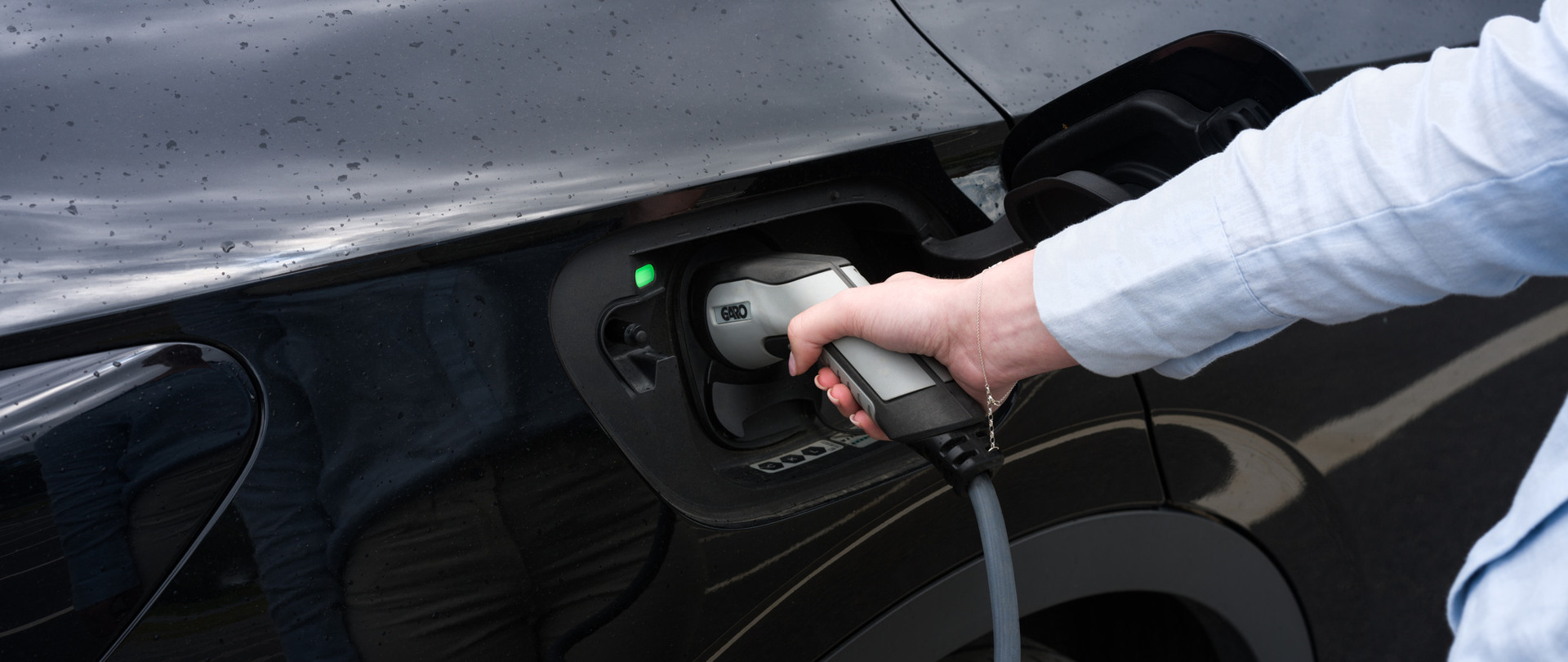
A guide to everything you need to know about EV charging
Charging an electric vehicle (EV) has become a natural part of everyday life for many car owners. However, there are still a few important things to keep in mind, especially if you’re new to the world of electric driving. This guide provides an introduction to how EV charging works, the different types of charging solutions available, and how to charge safely and conveniently—both at home and on the road.

What is EV charging and why is it important?
EV charging means supplying an electric or hybrid vehicle with energy by connecting it to an external charging point. Without access to reliable charging, electric cars lose much of their practical usability. Moreover, EV charging offers several environmental advantages compared with refueling petrol or diesel vehicles, as electric cars generate lower carbon emissions and contribute to a more sustainable transport sector.
Charging typically takes place through two main types:
- AC charging (alternating current) – primarily used for home or workplace charging
- DC charging (direct current) – used at fast-charging stations where vehicles need to charge quickly and efficiently

Different types of chargers
There are several types of EV chargers, and the right choice depends mainly on where you charge and how quickly you want to fill the battery. GARO offers a wide range of solutions tailored to different needs—from home charging to public fast chargers.
For a safe and easy home-charging experience, GARO Entity Home or GARO Entity Compact are ideal choices. For housing cooperatives or businesses, options such as GARO Entity Pro, LS4, or Twin+ are well suited. If you’re looking for a powerful fast-charging solution, our RAPID series is perfect for destinations and public areas requiring high power and availability.
Safety aspects of EV charging
Safety is one of the most important aspects of EV charging. It is essential that chargers and charging stations meet strict safety standards and are equipped with proper protective features.
While the home charging box has become a natural part of life for EV owners, this wasn’t always the case. Before industry standards and regulations were established, vehicles were often charged via ordinary wall sockets. However, standard household outlets and wiring are not designed for the high loads that occur during EV charging and may even pose a fire risk.
By using certified equipment, ensuring installation by a qualified electrician, and selecting a charging solution designed specifically for EVs, you minimize the risk of overheating or electrical faults.

Charging connectors – what do I need to know?
When charging your EV, it’s important to know which connector type your vehicle uses. In Europe, Type 2 is the standard for regular (AC) charging, while CCS (Combined Charging System) is the most common for fast (DC) charging.
Most public charging stations today feature either a fixed CCS cable or an outlet where you can connect your own Type 2 cable. Therefore, it’s always a good idea to keep your own cable in the car—especially when charging at AC stations without a fixed cable.

Where can I charge publicly?
Sweden has a rapidly growing network of public charging stations. You’ll often find charging points along major roads and highways, at fuel stations, shopping centers, hotels, restaurants, and parking garages. There are several smart apps that help you plan your charging, locate nearby stations, and view real-time information on availability, pricing, and charging speed.
Popular apps include: Chargefinder, PlugShare, Mer Connect, InCharge, and Chargemap.
Tips for convenient charging on the road
Travelling by electric car is both environmentally friendly and comfortable—especially with some planning. Here are a few tips to make charging easier along your journey:
- Plan your route and charging stops in advance using dedicated apps
- Bring an extra charging cable—not all public chargers have fixed cables
- Charge up to 80% – charging slows down beyond that point and preserves battery health
- Consider weather and driving style – cold weather and high speeds reduce range
- Be considerate of other EV drivers – move your car once charging is complete